Representational Democracy
Presentation Link
Background
Wang Shaoguang is a Chinese political scientist from Wuhan, Hubei and one of the New Left’s leading members. Much of his work focuses on critiques of Western-style liberal democracy and the flaws in representative systems.
Wang’s academic career began in 1972 as a high school teacher in Wuhan, later earning degrees from Peking University in 1982 and Cornell University in 1990. He spent ten years as a professor at Yale University before moving to the Chinese University of Hong Kong in 2000. He is currently an emeritus professor in the Department of Government and Public Administration.
Key Ideas
A second ideological pillar
A challenge to the ‘end of history’
Fukuyama and the end of history
- From Francis Fukuyama’s book “The end of History and the last man”.
- Liberal Democracy as humanity’s ideological endpoint.
- Socialism, Fascism, Communism, etc have all fallen.
- No serious ideological contender left.
- Wang aims to position the Chinese system as a serious ideological challenge liberal democracy.
- Distinct from those of the 20th century.
- Reimagining of democracy itself
Alternative visions of democracy
Democracy as outcome rather than a process
Liberal Democracy
- Defined by procedural processes
- Loose accountability
- State actors may act independently
- Fails to represent the will of the people
- Financial barriers and donor influence 1
- Representatives as political elites (‘masters’).
”people selected [for office] do not speak for the voters and are indeed not the representatives of the people. It is precisely the opposite, in that once these people are elected, they can operate according to their own subjective judgment”
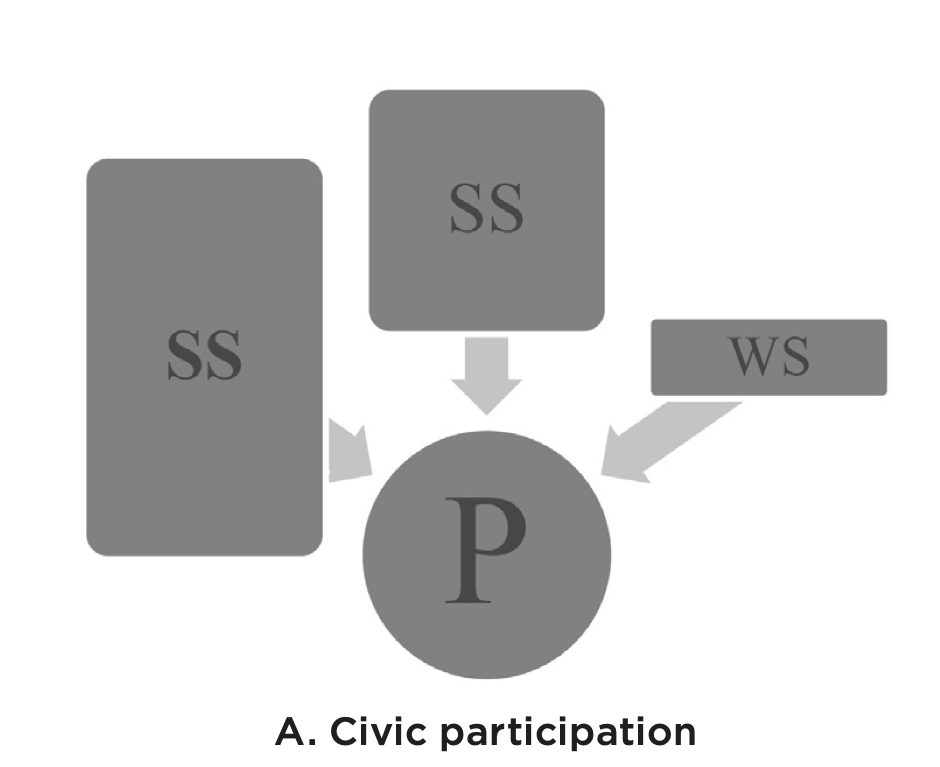
Representational Democracy
- Defined by outcome
- Chinese Democracy represents the will of the people despite lack of liberal procedural processes
- Higher satisfaction and approval ratings
- Survey work on how various asian countries perceive democracy 2
- Revival of Maoist democratic centralism and the ‘Mass Line’
The Mass Line
“Go among the masses, learn from the masses, synthesize their experience and produce better and more orderly methods and principles, then go and tell the masses (to carry out propaganda), urging the masses to carry out such methods in order to solve their own problems, enabling them to gain liberation and happiness.”
- Mao Zedong
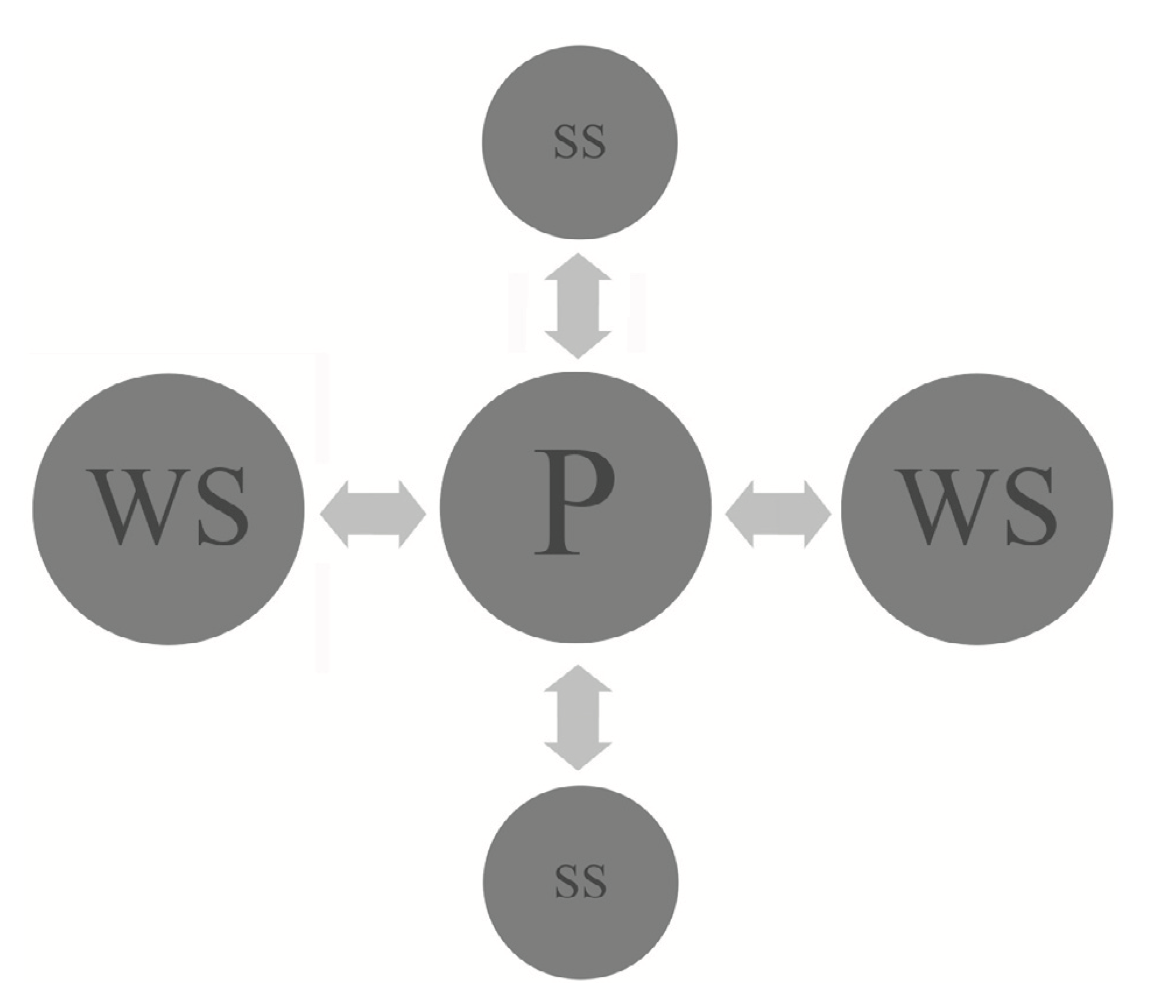
Semi-Inverted Political Organization
- Outside-in political organization, mostly
- Party responsible for collecting and distilling the will of the people
- Heavy use of surveys
- ‘Cadres’ replacing both the role of public servants and politicians
- Cadres must be trained into truly having the will of the people at heart
- Heavy emphasis on grasswork interaction with the masses and listening to their civic participation
Lack of explicit incentives
- Heavy emphasis on cadres truly understanding the people’s needs on an emotional level.
- ‘Meeting directly with the people’ etc
- Clearly describes how they will know the needs of the people
- Very little on why the state apparatus would actually listen
- Wang’s critiques of representatives becoming elites / masters seem to apply even more to his own system
Questions
- How does Chinese political thought define “desire” relative to the West? How does this conception influence the political, economic, and spheres of both groups?
- E.g. Wang mentions how middle- and upper-classes can better meet their objective needs and thus call for subjective demands (reduce taxes on wealthy, ban on same-sex marriage, etc.)… whereas the lower classes still fail to meet their basic needs (food, housing, etc.)
- Compare the idea of civic participation to the mass line. How do theoretical and practical applications compare? Does one system function better than the other in reality, or can their ideas be combined?
- How valid do you think his critiques of liberal democracy are? Do they hold their weight?
- What are some examples that support or discredit his critiques of liberal democracy?
- What factors do you think influence the difference in these views? E.g. Americans favor procedure and open competitive elections while the Chinese place more emphasis on results/equality